
No products in the cart.
Introduction
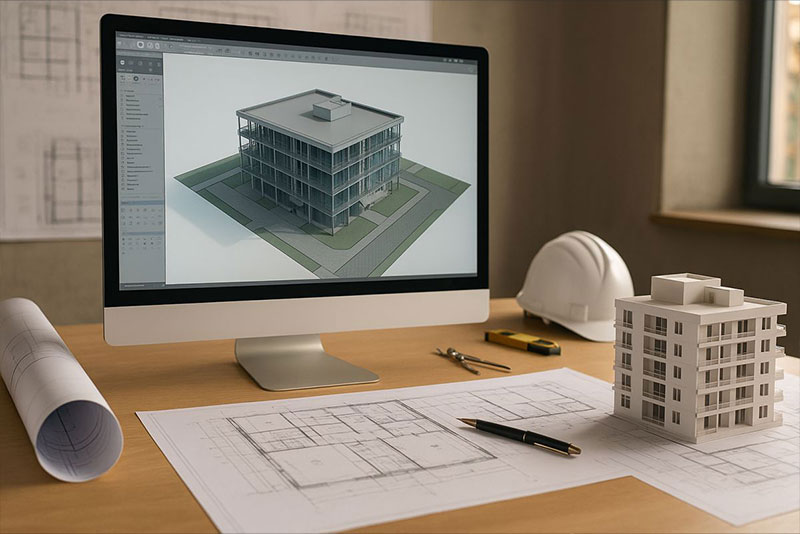
Building Information Modeling (BIM) has transformed how civil and structural engineers plan, design, coordinate, and deliver construction projects. Unlike traditional CAD workflows, BIM software enables engineers to work with intelligent, data-rich 3D models that improve accuracy, collaboration, and project efficiency.
In this guide, we explore the best BIM software for civil and structural engineers, focusing on professional use in engineering companies, consulting firms, and infrastructure projects. You’ll learn how BIM tools compare, what features matter most, licensing considerations, and how to choose the right solution for your organization.
What Is BIM Software?
BIM software allows engineers to create and manage digital representations of physical and functional characteristics of buildings and infrastructure. These models include geometry, materials, quantities, schedules, and performance data.
For civil and structural engineers, BIM software is used for:
- Structural modeling and analysis
- Clash detection and coordination
- Quantity takeoffs and documentation
- Construction sequencing
- Lifecycle asset management
Why Civil & Structural Engineers Need BIM Software
Modern construction and infrastructure projects are complex and highly collaborative. BIM software helps engineers:
- Reduce design conflicts and errors
- Improve coordination with architects and contractors
- Meet client and regulatory BIM requirements
- Deliver projects faster and more accurately
- Improve cost control and predictability
Many government and large-scale projects now require BIM-based workflows.
Key BIM Features for Civil & Structural Engineering
When choosing BIM software, professionals should prioritize:
- Accurate structural modeling tools
- Support for industry standards and codes
- Interoperability with CAD and analysis software
- Clash detection and coordination
- Collaboration and version control
- Performance with large, complex models
Best BIM Software for Civil & Structural Engineers in 2026
Autodesk Revit
Revit is the most widely used BIM software in the construction industry.
Best for: Structural and civil engineering firms working on building projects
Key strengths:
- Comprehensive structural tools
- Strong industry adoption
- Excellent interoperability
Tekla Structures
Tekla Structures specializes in detailed structural modeling.
Best for: Steel, concrete, and precast structures
Key strengths:
- Highly detailed constructible models
- Fabrication-ready outputs
- Strong collaboration features
Archicad
Archicad is a powerful BIM solution with strong design and collaboration tools.
Best for: Integrated architectural and engineering workflows
Key strengths:
- User-friendly interface
- Strong performance
- Open BIM support
Bentley OpenBuildings & OpenBridge
Bentley’s BIM tools are designed for infrastructure projects.
Best for: Civil engineering and large infrastructure projects
Key strengths:
- Infrastructure-focused workflows
- Strong data management
- Integration with civil design tools
BIM Software Comparison for Engineers
| Engineering Focus | Recommended BIM Software |
|---|---|
| Building Structures | Revit, Tekla Structures |
| Steel & Concrete Detailing | Tekla Structures |
| Architecture + Engineering | Archicad |
| Infrastructure & Bridges | Bentley OpenBuildings |
Licensing Options for BIM Software
Subscription Licenses
- Continuous updates
- Flexible budgeting
- Common for cloud-enabled BIM tools
Network / Floating Licenses
- Shared access across teams
- Cost-effective for engineering firms
Choosing the right license model is critical for multi-user environments.
BIM Software for Engineering Companies
Engineering companies benefit from BIM software that supports:
- Team collaboration
- Centralized model management
- Integration with analysis and CAD tools
- Scalable licensing
Standardizing BIM tools across teams reduces coordination issues and training costs.
Where to Buy BIM Software Online Safely
Professional engineers should purchase BIM software from trusted online suppliers that provide:
- Genuine BIM software licenses
- Clear license documentation
- Professional pre-sales consultation
- Secure payment and delivery
Benefits of BIM Software for Civil & Structural Engineers
- Improved coordination and collaboration
- Reduced construction conflicts
- More accurate quantities and documentation
- Better project predictability
BIM software enables engineers to deliver higher-quality projects with fewer risks.
Final Thoughts
The best BIM software for civil and structural engineers depends on project type, team size, and workflow requirements. Whether you work on buildings, infrastructure, or complex structural systems, investing in professional BIM tools is essential for modern engineering practice.
If your firm is ready to adopt or upgrade BIM workflows, choose licensed BIM software from a reliable online provider and equip your team with industry-leading technology.
👉 Explore professional BIM software solutions for civil and structural engineers in our online store.